DispatchIssue 41, October 2026
Twelve hours at sea, and what slowness gives back
We took the overnight ferry across the North Sea to find out whether the slowest way to travel is also the kindest. The short answer: it might be.

Words by Mara Lindqvist
4 October 2026 · 3 min read
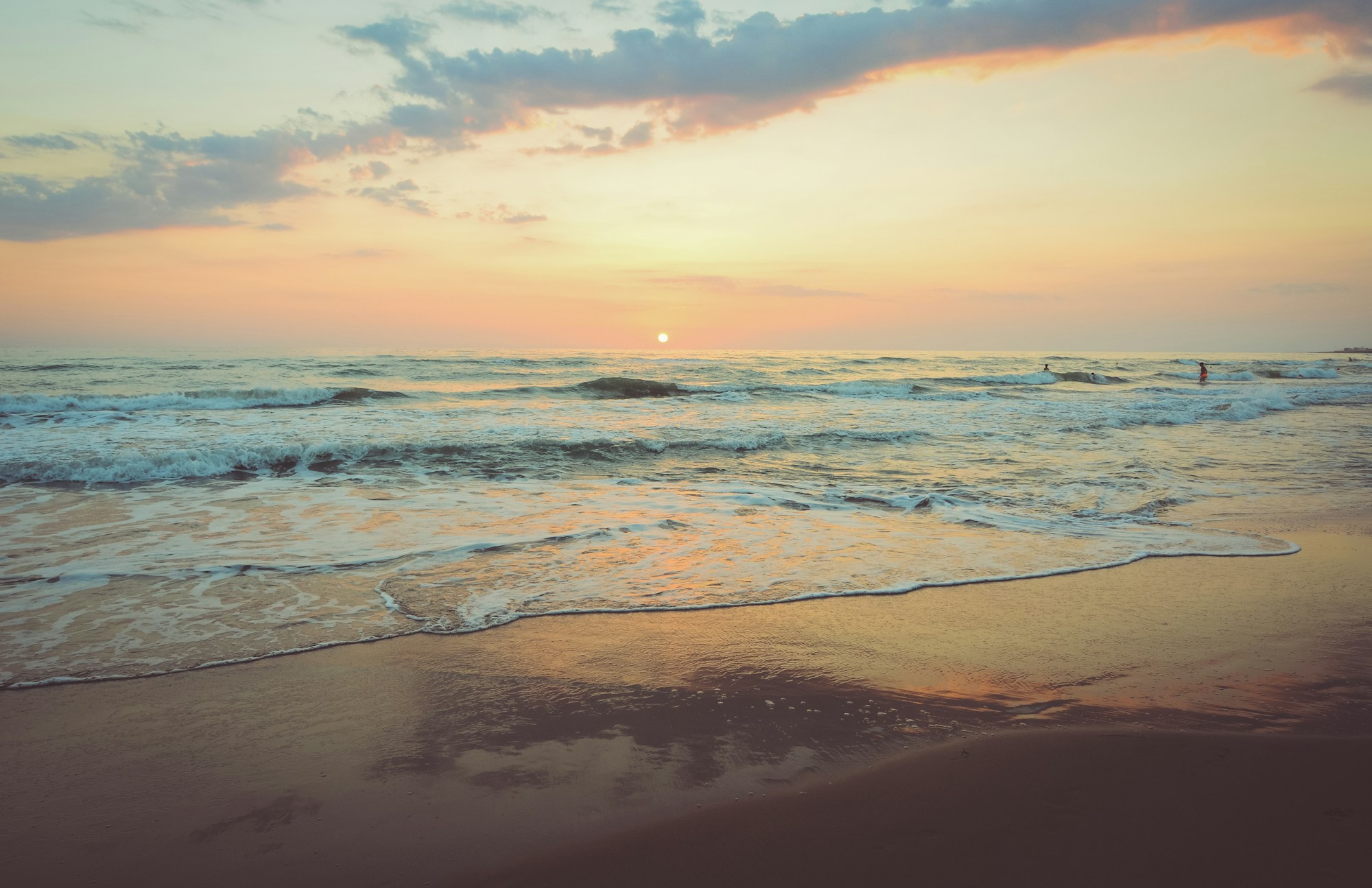
The ferry leaves at a quarter to nine, which is late enough to feel like an adventure and early enough to find the bar still open. There is no security queue worth the name, no boarding group, no seat map. You walk up a ramp with your bag and, quite suddenly, the city is behind you.
Casting off at dusk
Departure is the only part of the journey that feels hurried, and even that is theatre. Ropes come in, the engines find a lower note, and a few hundred people drift to the rear deck to watch the harbour lights thin out into a single dotted line.
Nobody announces anything. There is no countdown. The ship simply begins, and the absence of a moment turns out to be the moment.
A timetable you can trust
Fast travel is built on buffers. Arrive two hours early, allow for delays, keep your phone charged for the gate change. The night crossing has no buffers because it has nothing to compress: it leaves in the evening, arrives in the morning, and the hours in between belong to you.
That certainty changes how people behave. Families eat dinner slowly. A man in a wax jacket reads an entire paperback in the lounge. Nobody checks the time, because the time is not going anywhere.
“The hours between leaving and arriving are not lost. They are simply unclaimed.”
Ruth Hollis, 22 years on the route
Rooms that ask for nothing
The cabins are small and entirely honest about it: two bunks, a porthole, a reading lamp that actually works. There is no screen on the wall and no app to download. The room does one job, which is to let you sleep while the sea does the travelling.
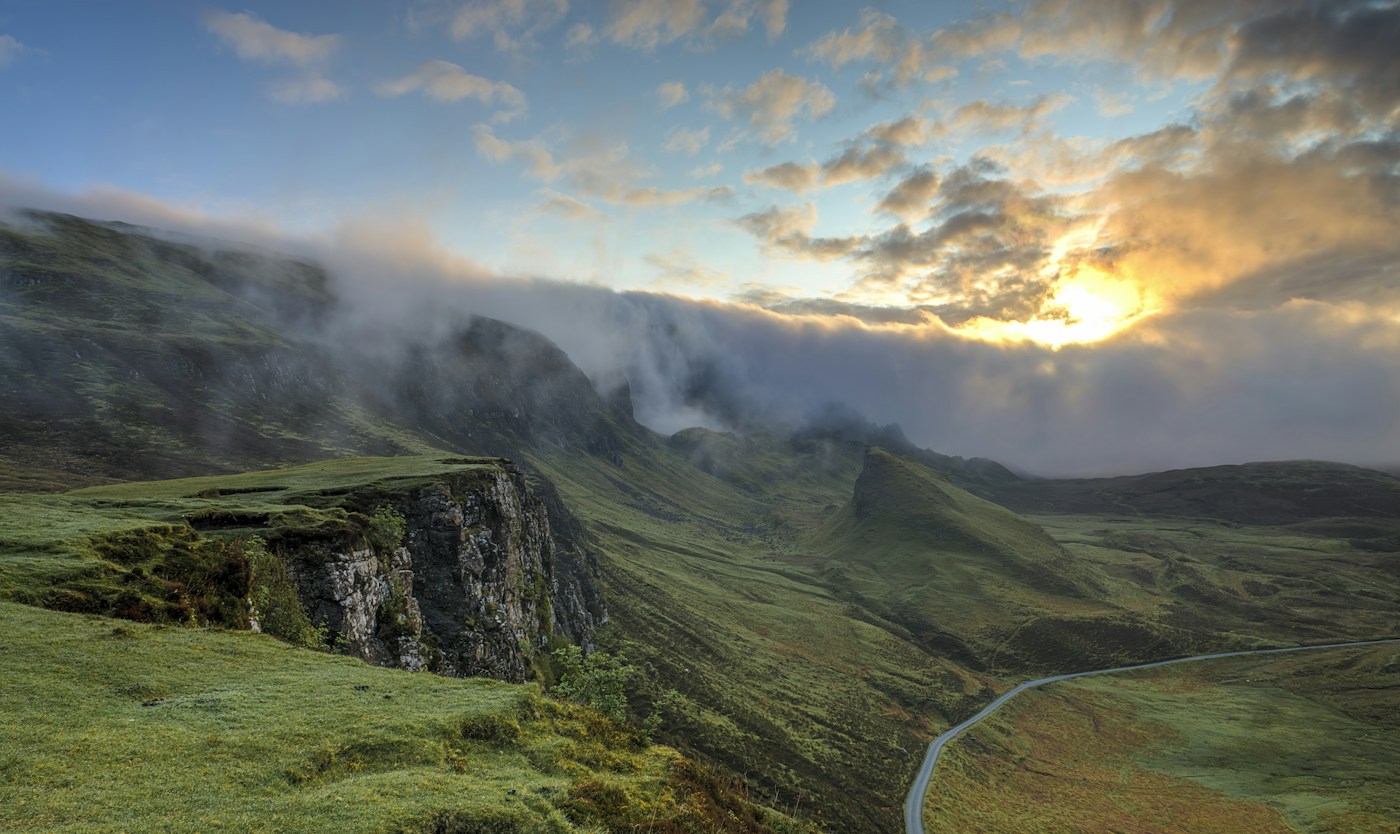
Designers spend years trying to remove friction from products. Here the friction was removed decades ago by people who never used the word, and what remains feels less like a service than a kindness.
The economics of waiting
On paper the crossing makes little sense. It is slower than a flight and rarely cheaper. But the comparison only holds if you treat the night as wasted. Count the hotel you did not book and the morning you did not lose, and the maths starts to tilt.
More interesting is what the crossing does to attention. With patchy signal and nowhere to be, the usual pull of the feed loosens. Conversations run long. People look at the water for no reason at all.
Arriving rested
Breakfast is served as the coastline sharpens out of the haze. You walk off at eight with a full night of sleep behind you and, unusually, no sense of having been processed. The journey did not happen to you. You took part in it.
Slowness is not always available, and it is not always a virtue. But when it is offered, it is worth asking what speed was really buying. Sometimes the answer is very little.
Filed under Travel and Slow design. Thank you for reading.